Coral stone vs. travertine for a Florida pool deck
Both are natural stone, both look beautiful around a pool. Here's how they really differ, from the person who installs them.

When clients ask me what to put around their pool, it usually comes down to two stones: coral stone and travertine. I've installed a lot of both in Jupiter, Palm Beach Gardens and Wellington. They're both good choices. They're just good at different things.
What they are
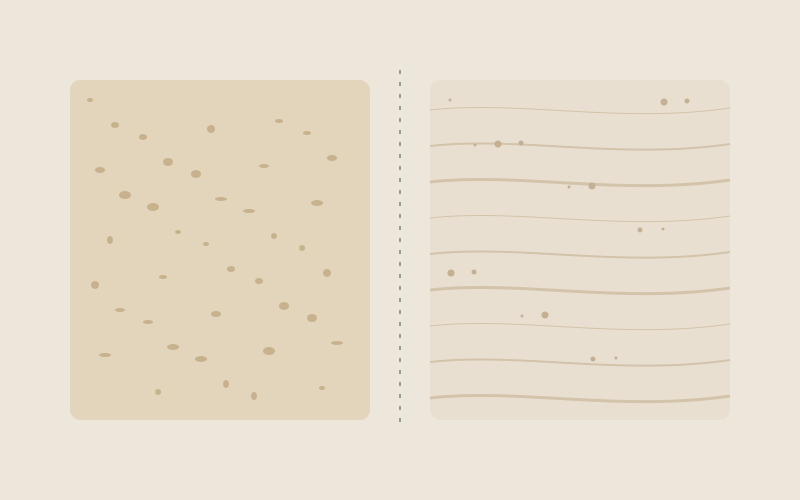
Coral stone, sometimes called keystone, is a limestone made of ancient coral and shells. You can see the fossils and the open, pitted texture in every piece. Travertine is also a limestone, formed around mineral springs. It's denser, with a smoother face and soft bands of color.
Heat under your feet
This is the question everyone asks first. Both stay much cooler than dark concrete pavers in the Florida sun. Coral stone is usually the most comfortable barefoot, because of its light color and porous surface. Light travertine is close behind. Darker travertines get warmer, so we steer people toward the lighter shades for pool decks.
Grip when wet
Coral stone's open texture grips well, wet or dry. Travertine comes in different finishes: tumbled or brushed travertine has good grip, while honed or polished travertine is smoother and can get slick when wet. Around a pool we only install textured finishes.
The look
Coral stone feels relaxed and coastal. It's the stone of old Florida homes and fits Mediterranean, Key West and modern tropical houses. Travertine feels a bit more refined and comes in more colors, from ivory to walnut, so it suits a wider range of architecture.
Care and durability
- Coral stone: its pores can collect dirt and mildew in shady, damp spots. We seal it after installation, and a yearly clean keeps it bright. Resealing every few years is a good idea.
- Travertine: denser, so it stains less easily. Unfilled travertine has small holes that some people love and others fill. Sealing helps it resist pool chemicals and spills.
- Both handle salt water pools and coastal air well when installed on a proper base and sealed.
Cost
On our projects, coral stone starts at about $32 per square foot installed, and travertine at about $26, including base preparation. The stone itself is only part of the price. Demolition, drainage, steps, coping and how many cuts the layout needs all matter, which is why we quote each job after seeing it.
Installation matters more than the stone
A beautiful stone laid on a thin or poorly compacted base will crack, sink or rock within a few seasons, especially on Jupiter's sandy soil. We excavate, compact the base in layers and set every surface with a gentle slope away from the house and pool so water never sits. Around the pool we pay extra attention to the coping, the edge stone people sit on, hold and step from. It should be thick, well bonded and smooth along the top edge.
Joints matter too. Tight, even joints look refined and are easier to keep clean. Sand-set coral stone needs polymeric sand that stays put in heavy rain, and mortar-set travertine needs expansion joints so it can move with the heat without cracking.
So which one?
If comfort barefoot and a relaxed coastal look matter most, I usually recommend coral stone. If you want more color choices, a slightly more polished look or easier stain resistance, travertine is a great fit. Some of my favorite projects use both: travertine on the terrace by the house and coral stone around the pool.
The best way to decide is to see them in your own light. We bring samples to every site walk, wet them down and leave them in the sun so you can feel the difference.
Runs our crew and every coral stone install. 15 years building hardscape; speaks Portuguese, Spanish and English.